




Waste Management in residential estates is no longer just a logistical necessity – it is a cornerstone of environmental responsibility, operational efficiency, and resident satisfaction. The Thermomatic delivers a paradigm shift: a solar-powered, on-site waste conversion system that eliminates the need for landfills, incinerators, or fossil fuels. Below, we explore why the Thermomatic stands as the definitive choice for modern residential estates.
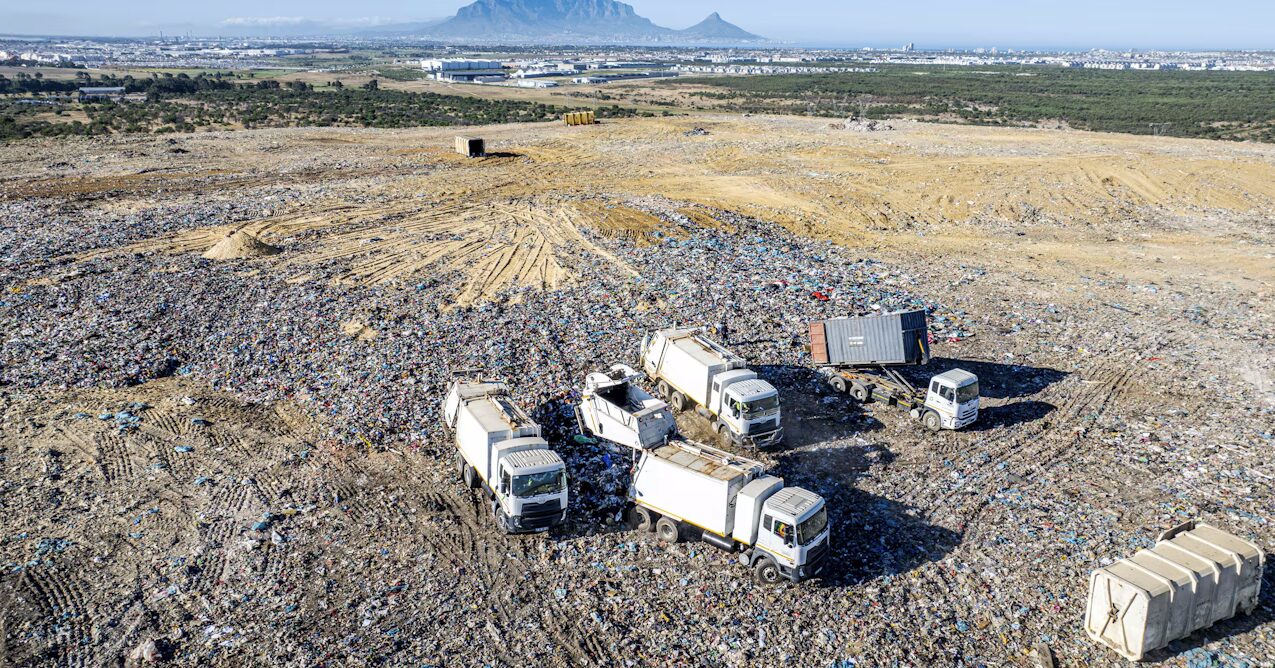
Every year, millions of tonnes of food end up in South Africa’s landfills. This is a wasted resource that deepens environmental damage, worsens food insecurity and costs the economy billions. But there are opportunities to turn what we throw away into value for people, the planet and local economies.
A new study investigates the true cost of current waste practices and the potential of alternative approaches. We spoke with one of the researchers, Anne Fitchett, about organic waste management and how the country can move towards a more sustainable, circular approach.
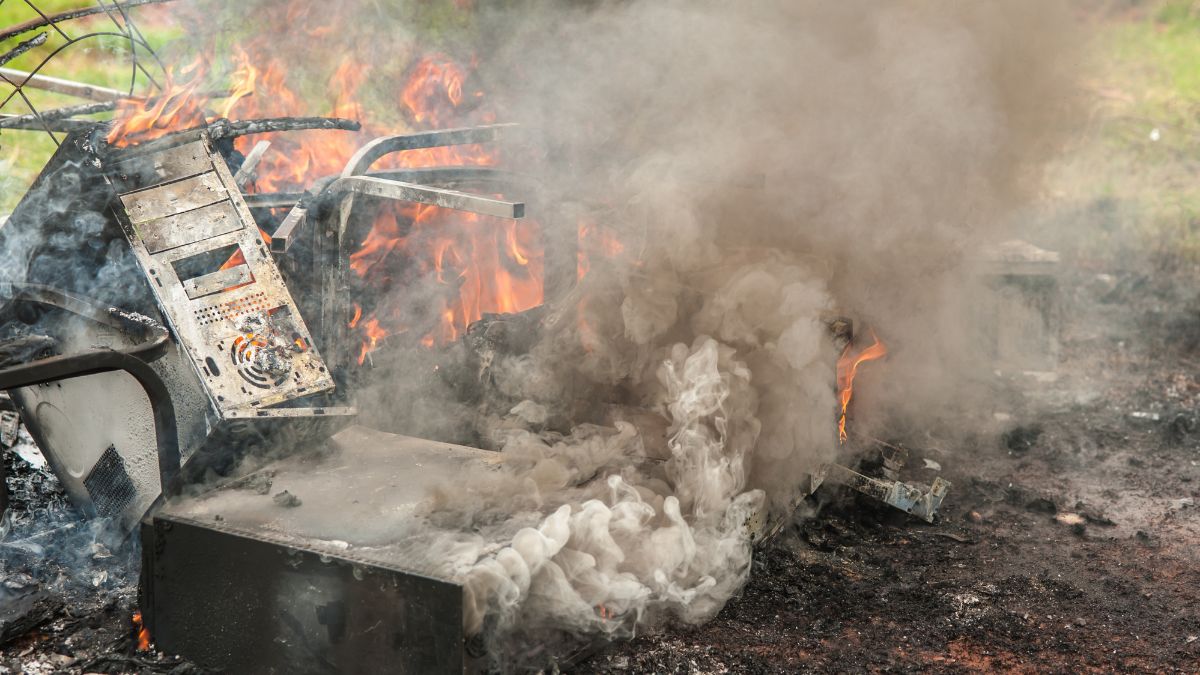
South Africa is sitting on an e-waste time bomb, with only 7% to 12% of all e-waste in the country being processed through formal recycling channels.
This is according to Sandile Ndlovu, an assistant researcher at the Interdisciplinary Centre for Digital Futures at the University of the Free State, who believes universities should lead the recycling shift.
“The statistics are quite shocking. If we look at the amount of e-waste that is being formally recycled in South Africa, it is about 7% to 12%,” Ndlovu told Cape Talk.
“That is a very low recycling rate of e-waste, given that South Africa is the second largest producer of e-waste on the African continent. We are second behind Egypt.”